The Highlander
(Lode/Placer )
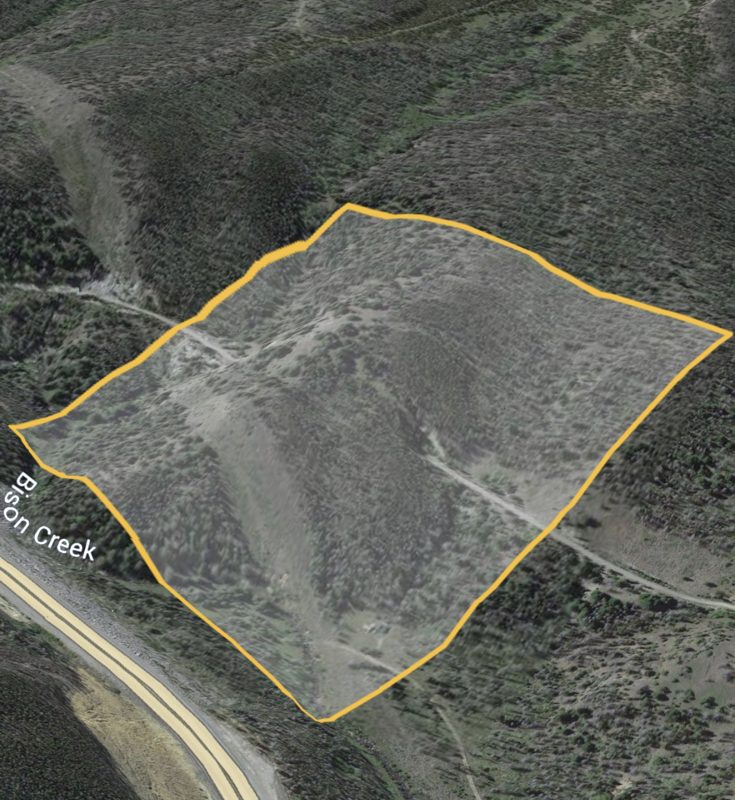
(40 acres)
Jefferson County, Montana
$49,000
Now Available!
(Lode/Placer )
(40 acres)
Jefferson County, Montana
$49,000
Now Available!
• Size: Primary Commodities: Gold and Gemstones ( Sapphire)
• Secondary Commodities: Silver and Quartz
• Size: 40 acres
• Claim designation: un-patented Lode/Placer
• Location: Jefferson County, Montana
•Financing available at $2100.00 down and monthly payments of $250.00
•Direct purchase discounts available
• Secondary Commodities: Silver and Quartz
• Size: 40 acres
• Claim designation: un-patented Lode/Placer
• Location: Jefferson County, Montana
•Financing available at $2100.00 down and monthly payments of $250.00
•Direct purchase discounts available
The only Highlander is a largely undocumented mineral property located in the Beaver Gulch Mining District of Montana.
Featuring high-grade lode and placer Gold deposits, stunning multi-colored sapphires, and a large two-story miners' cabin.
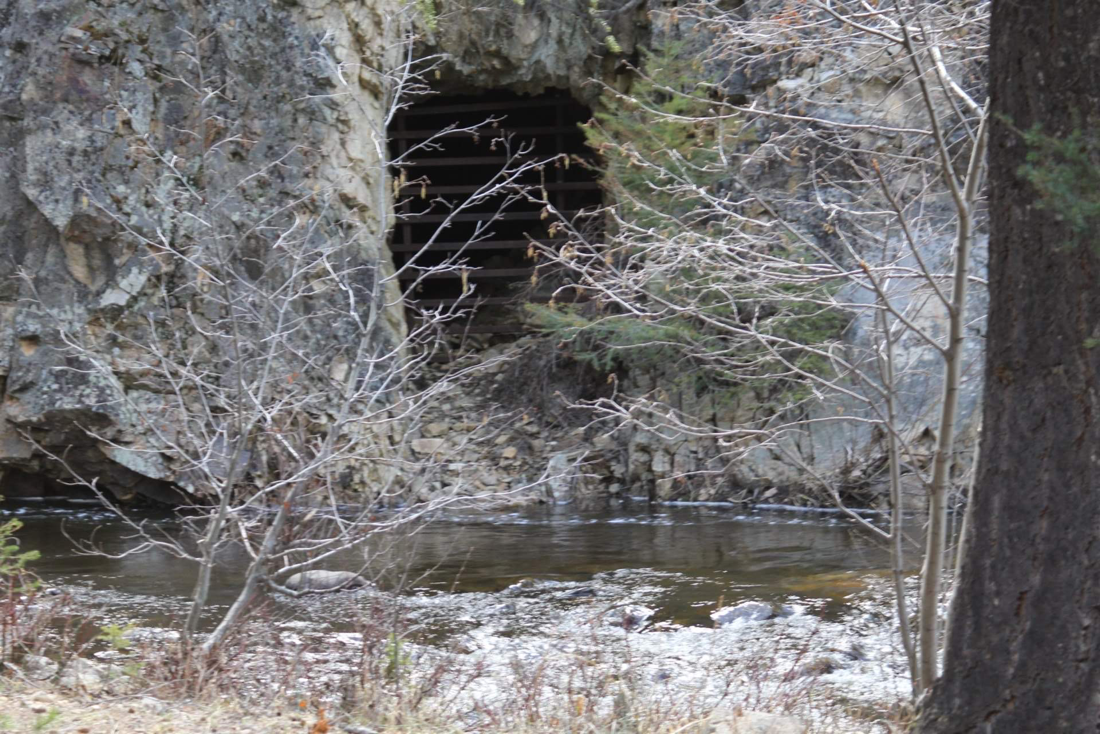
Primary workings and areas of potential include exposed bedrock and placer gravel deposits along Bison Creek, two unrecorded hard-rock tunnel style adits, driven into a lightly mineralized quartz stringer vein.
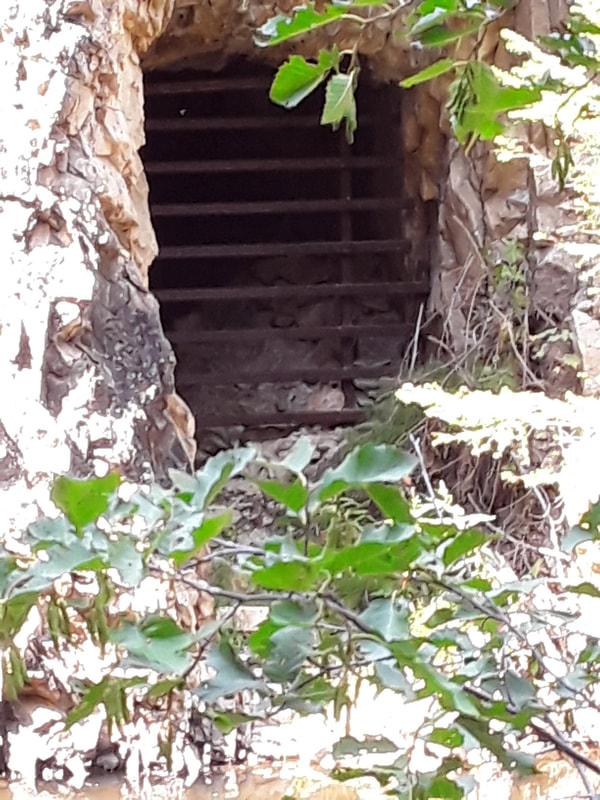
The dual hard-rock adits are located near the creek-side edge, driven into a large mineralized rock outcropping, entrance is estimated at 6' in height and 3.5' in width. The entrance features old iron bat gates for access.
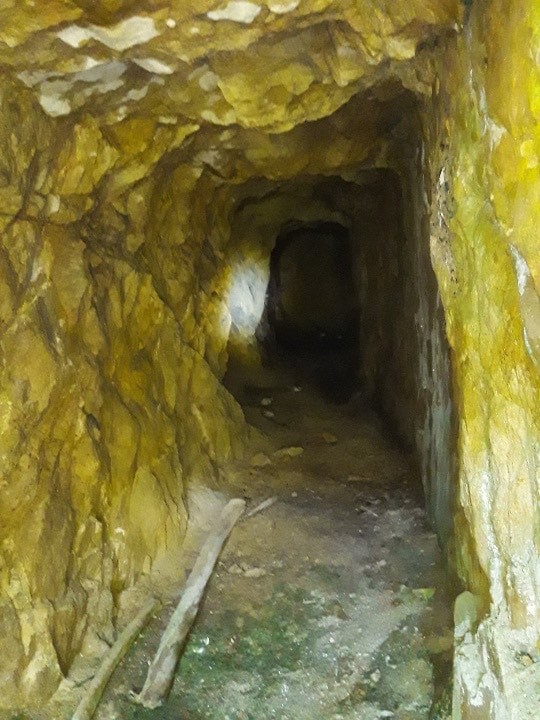
- Adit#1 is a prospect running 30' feet into the hillside, samples of the underground veins are bearing free mill Gold.
- Adit#2 is notably longer, with a potential second level, though the gate has not yet been opened.
The development style of the mine suggests original discovery and production post WW2.
- The lode deposit is a NE-to-NW trending quartz vein, with secondary stringers in a Granite host rock.
- Mineralized strike is between 6-inches -to 2.5' feet in width, the mineralized veins consist of auriferous (Gold-bearing)- pyrites, free Gold, Galena, and Sphalerite.
- Estimated Gold values are 0.33-to-1.5 Opt (ounces per ton), with Between 7.5-to-20 Opt (ounces per ton) in estimates Silver values.
- Lode deposit estimates are 0.89-2.1 ounces per ton Au (Gold), and 3.5-to-12 ounces per ton Ag ( Silver).
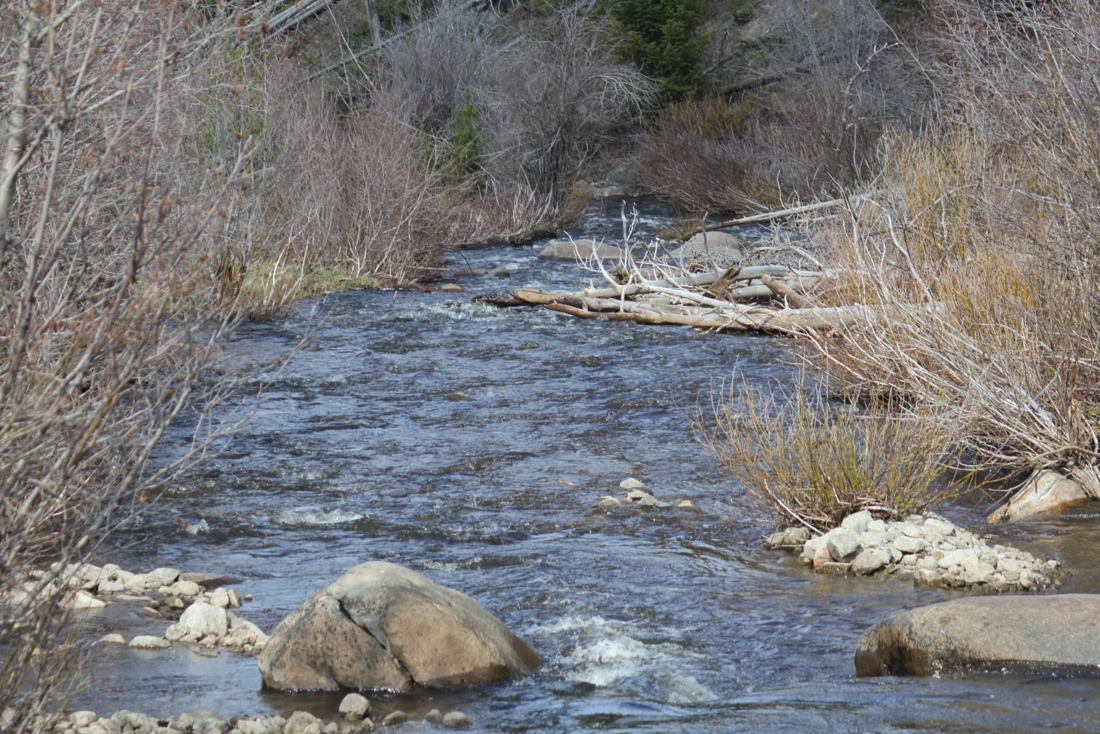
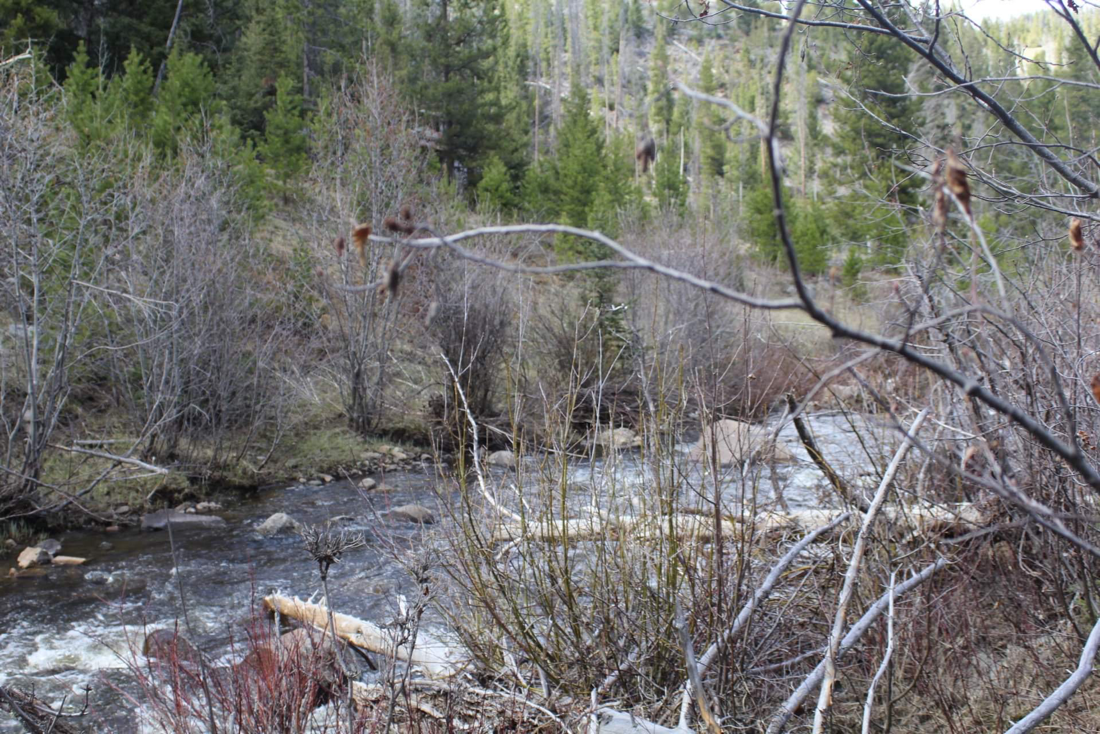
Placer deposits of Gold and Sapphires are located in the gravel beds and bedrock crevices of the waterway.
Bison creek features a wide and shallow waterway ranging from 15' feet-to- 25' feet wide and .5' feet -to 3' feet in depth.
An excellent area for casual gold panning, sluicing, and dredging.
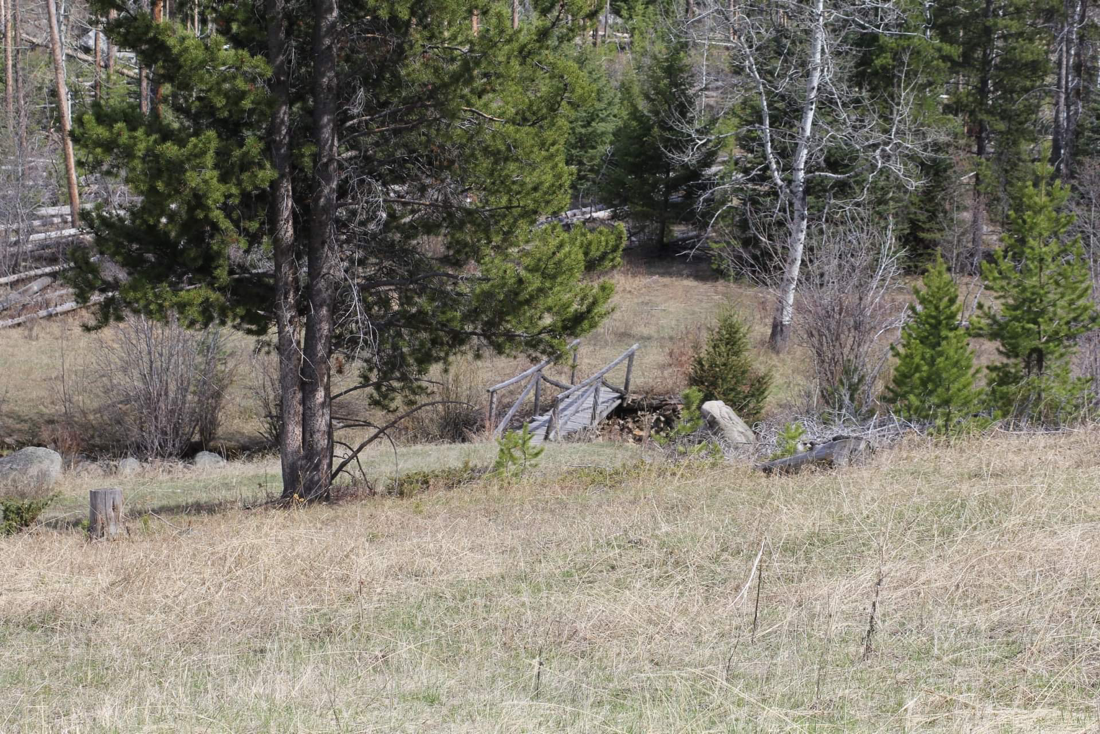
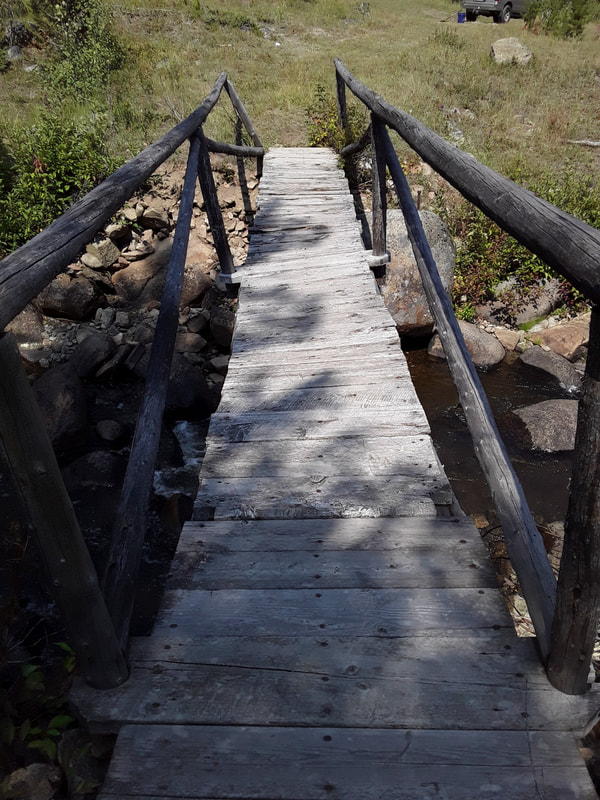
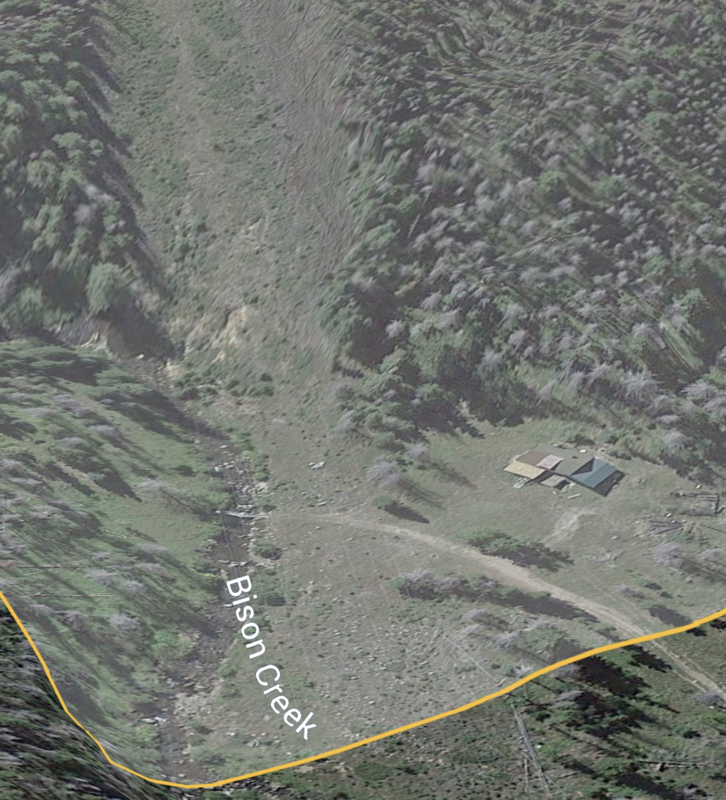
A small wooden walk bridge connects both sides of the creek from the primary staging area.
- Placer Gold deposits are estimated at 0.5-to-1.5 grams per yard of gravels
- Multi-colored sapphires including Pink, Blue, Yellow, Green, and translucent have been located in the waterway by surveyors.
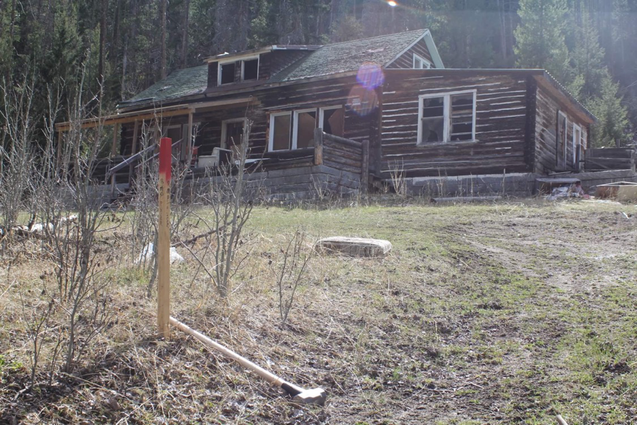
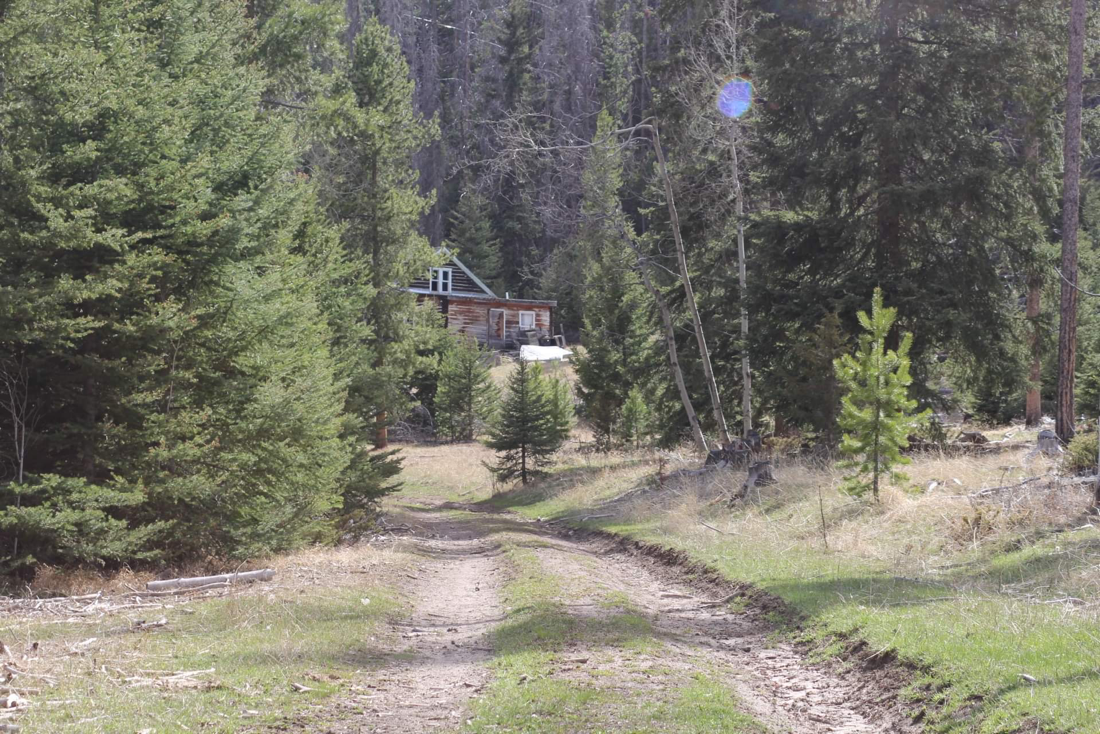
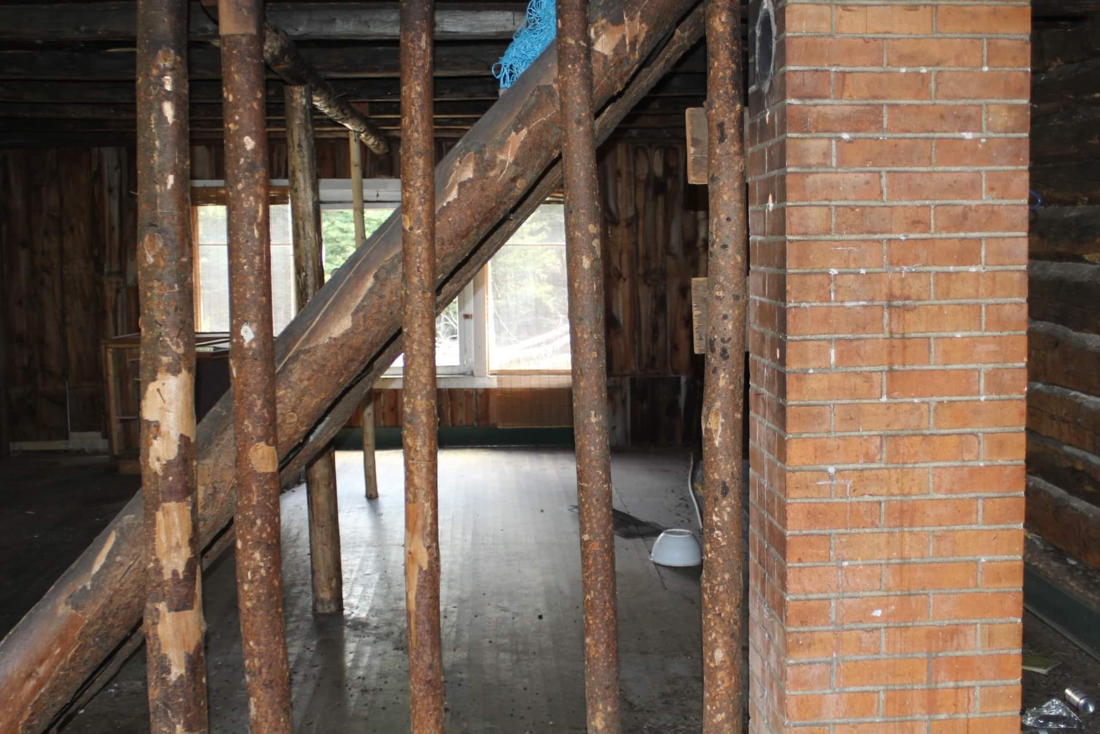
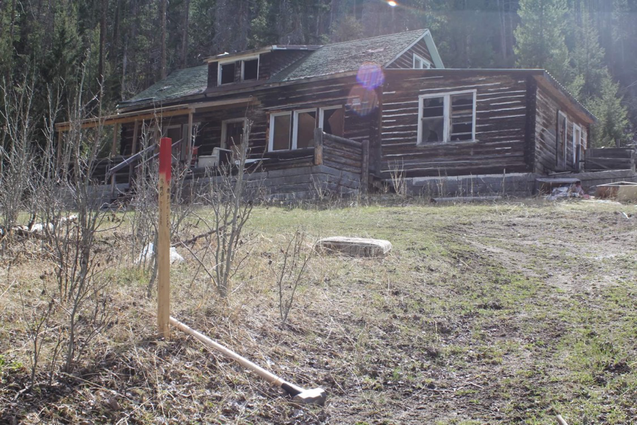
A one-of-a-kind cabin-style bunkhouse rests on the northern portion of the mineral property, though fallen into disrepair, the cabin is incredibly preserved given the age of the structure and remote area.
Skillfully built on diorite slabs, this structure was possibly used for the nearby rail tunnel production, and then again for the lode mine production after WW2. At one time, the old house had electricity and plumbing to a full kitchen.
An additional small shed/outhouse and a wooden bridge across the creek are located on the claim.
Before our company's discovery in 2021, this mine has not been recorded on any known map or mining docket in known existence.
-----
The mining in the Beaver Gulch mining district began in 1897.
On January 1, 1898, the first sack of ore from the district was received by Helena's Chief of Police who was also the manager of the Beaver town Mining Association. The company was developing a Galena/Lead quartz vein with values in gold, silver, and copper.
The Beaver town Mining Association was a Helena company with John O'Connell as president, John J. Grogan, the aforementioned police chief, as manager, and Police Judge Ed S. Walker, Eugene Allen, Joseph Murray, Mrs. M. Chriswell, John Wendell, Andrew Wendell, and others as shareholders. In 1898, the company was developing a tunnel on the Newport claim (Western Mining World 1898).
A few other mining operations were attempted in the area, such as the Butte and Elk Park Extension. This was initially developed in the second decade of the Twentieth century with some production in silver, lead, and copper reported in 1919 and 1926 (Mining and Scientific Press 1920; Roby et al 1960; WPA 1941)
----
A perfect mining claim for the beginning enthusiast up the established mining company.
Access is available to any 4x4 vehicles and most higher clearance 2wd vehicles, older dirt road is in good to fair condition.